
How Dynamic Charging of Electric Vehicles Works
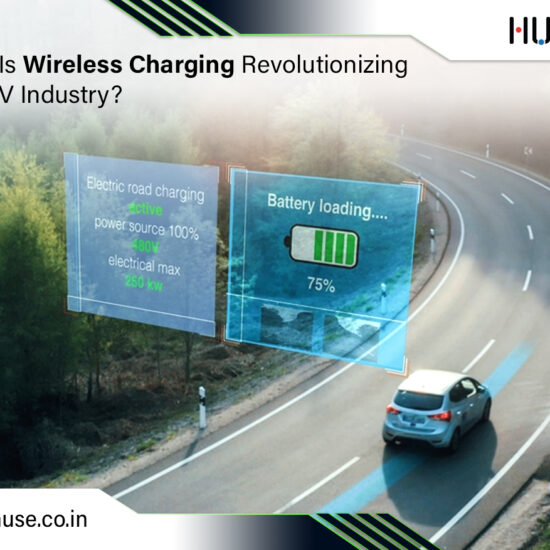
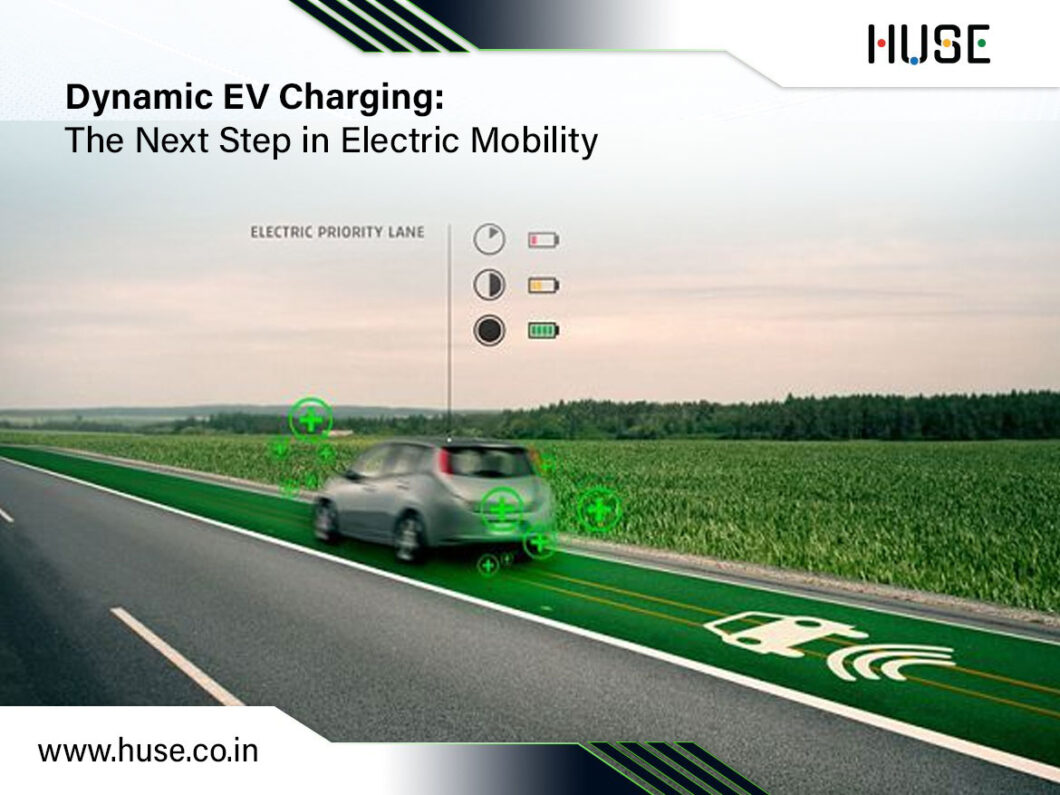
At the core of dynamic EV charging is wireless power transfer (WPT), specifically, magnetic resonance or inductive coupling. Here’s how it works:- Charging coils embedded beneath road surfaces generate an alternating magnetic field.
- A receiver coil installed on the EV picks up this energy and converts it into electricity.
- The system runs via high-frequency inverters that maintain energy flow, even when vehicles are misaligned or moving at speed.
Advantages of Dynamic Charging of Electric Vehicles
Dynamic EV charging could become a game-changer for transportation networks, especially for high-use and long-distance vehicles. Here’s why:- Zero Downtime: Charging while driving eliminates time lost to plug-in sessions.
- Smaller Batteries: With continuous power availability, EVs can run on lighter batteries, cutting cost and weight.
- Grid Optimization: Dynamic charging can balance energy loads by charging vehicles during off-peak hours or as they pass specific zones.
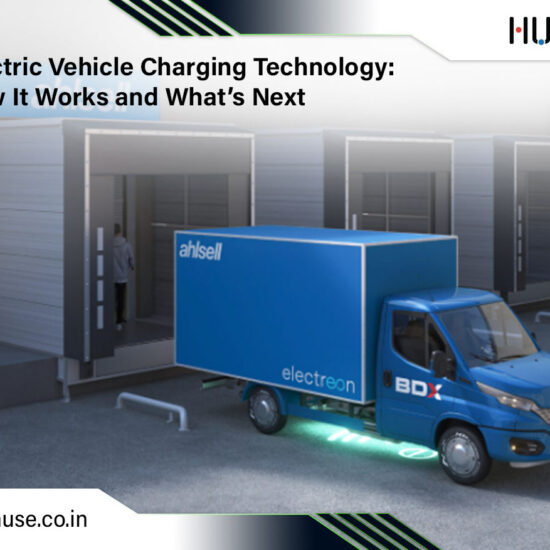
- Fleet Efficiency: Ideal for delivery vans, buses, and trucks where high uptime is critical.
- Urban Real Estate Savings: Reduces the need for large, dedicated EV charging stations in cities.
- Lower Emissions: By powering more vehicles cleanly, it accelerates carbon-reduction efforts across sectors.
Conclusion: A Smarter Road to a Cleaner Future
Dynamic charging of electric vehicles is no longer science fiction; it’s already happening. From pilot programs to legislation, the pieces are falling into place for a fully wireless vehicle charging future. While more testing and funding are needed, the direction is clear: charging must be seamless, scalable, and sustainable. As pioneers in infrastructure design and smart energy systems, our team helps businesses, cities, and developers stay ahead of the curve. Whether you’re exploring wireless charging in electric vehicles or looking to integrate wireless charging roads, we’re here to make electrification work for you.FAQs On Dynamic Charging of Electric Vehicles
What is dynamic charging of electric vehicles?
Dynamic charging of electric vehicles is an advanced technology that enables EVs to charge while driving. Instead of stopping at a charging station, vehicles receive power wirelessly from charging infrastructure embedded beneath the road. Huse HQ delivers innovative solutions that make continuous EV charging seamless and efficient.
How does dynamic charging of electric vehicles work?
Dynamic charging works through wireless charging coils installed under the road surface. As an EV equipped with a compatible receiver drives over these coils, energy is transferred wirelessly to the vehicle’s battery. Huse HQ integrates advanced induction systems to ensure safe, efficient, and uninterrupted power transfer.
What are the benefits of dynamic charging of electric vehicles?
Dynamic charging of electric vehicles reduces range anxiety, minimizes downtime, lowers the need for large battery packs, and improves overall fleet efficiency. Huse HQ’s technology helps cities and businesses create smarter, more sustainable transportation ecosystems.
Is dynamic charging of electric vehicles safe?
Yes, dynamic charging is designed with strict safety protocols. The system activates only when a compatible vehicle is detected above the charging segment. Huse HQ ensures compliance with international safety standards to provide reliable and secure energy transfer.
Does dynamic charging of electric vehicles reduce battery size requirements?
Yes. Since EVs can charge while driving, manufacturers can design vehicles with smaller batteries, reducing weight and cost. Huse HQ’s dynamic charging solutions help optimize battery efficiency and vehicle performance.
Where can dynamic charging infrastructure be installed?
Dynamic charging infrastructure can be installed on highways, bus lanes, logistics hubs, and urban roads. Huse HQ provides scalable deployment solutions suitable for public transport systems, commercial fleets, and smart city projects.
How is dynamic charging different from static EV charging?
Static charging requires vehicles to stop at charging stations, while dynamic charging of electric vehicles allows charging during motion. Huse HQ combines both static and dynamic charging capabilities to provide flexible and future-ready EV infrastructure.
Is dynamic charging of electric vehicles cost-effective?
Over time, dynamic charging can reduce infrastructure congestion, operational downtime, and battery replacement costs. Huse HQ focuses on long-term cost efficiency by offering durable and energy-optimized charging solutions.
Can all electric vehicles use dynamic charging systems?
Vehicles must be equipped with compatible wireless receivers to use dynamic charging systems. Huse HQ collaborates with automotive manufacturers and fleet operators to enable seamless compatibility and integration.
Why choose Huse HQ for dynamic charging of electric vehicles?
Huse HQ is committed to advancing smart mobility with cutting-edge dynamic charging solutions. Our expertise in wireless power transfer, scalable infrastructure deployment, and sustainable innovation makes us a trusted partner in transforming the future of electric mobility.