

Types of Wireless Electric Vehicle Charging
There are 2 ways to wireless transfer power to an EV – A static mode and Dynamic mode. Pls dont use words statically and dynamically-
Static EV Charging (Office or Home Charging Station)
-
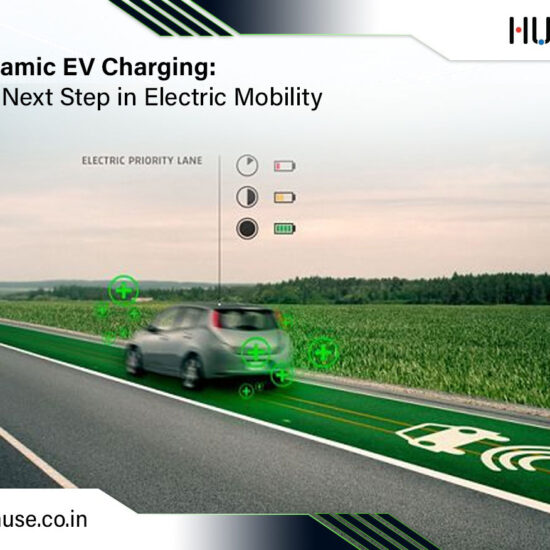
Dynamic Wireless Electric Vehicle Charging (Highways and Roads)
-
Capacitive Wireless Electric Vehicle Charging System (CWCS)
-
Permanent Magnet Gear Wireless Electric Vehicle Charging System (PMWC)
-
Inductive Wireless Electric Vehicle Charging System (IWC)
-
Resonant Inductive Wireless Electric Vehicle Charging System (RIWC)
Wrapping up
The auto industry is steadily moving into a phase where EVs will occupy more and more market share, forcing manufacturers to meet emission standards. As the transition from ICE to EVs unfolds, our infrastructure needs to be ready to support this shift, chiefly in terms of charging. HuseHQ, with our R&D and innovation, is making it easy for facilities, commercial spaces, and residential spaces to transition to an EV-friendly infrastructure with our static and dynamic wireless electric vehicle charging. Connect with us to learn more about our capabilities.FAQs On Wireless Electric Vehicle Charging
What is wireless electric vehicle charging?
Wireless electric vehicle charging is an advanced charging method that allows EVs to charge without physical cables or plugs. Using electromagnetic induction, energy is transferred from a charging pad installed on the ground to a receiver mounted underneath the vehicle. Huse HQ provides cutting-edge wireless EV charging solutions designed for seamless and efficient energy transfer.
How does Huse HQ wireless electric vehicle charging work?
Huse HQ’s wireless electric vehicle charging system uses inductive charging technology. A transmitter coil embedded in the ground creates a magnetic field, which transfers power to a receiver coil installed in the EV. This process ensures safe, efficient, and automatic charging without any manual intervention.
Is wireless electric vehicle charging safe?
Yes, wireless electric vehicle charging systems developed by Huse HQ are designed with advanced safety standards. The system only activates when a compatible vehicle is correctly positioned over the charging pad, preventing energy leakage and ensuring safe operation for users and pedestrians.
What are the benefits of wireless electric vehicle charging?
Wireless electric vehicle charging offers multiple advantages:
- No cables or plug-in hassles
- Reduced wear and tear
- Enhanced convenience
- Weather-resistant operation
- Improved safety
Huse HQ integrates smart monitoring and automation for a seamless charging experience.
Can wireless electric vehicle charging be installed in homes?
Yes. Huse HQ offers wireless EV charging solutions suitable for residential installations. Homeowners can install a ground charging pad in their garage or driveway for convenient, automatic charging.
Is wireless electric vehicle charging suitable for commercial use?
Absolutely. Huse HQ designs scalable wireless electric vehicle charging infrastructure for commercial spaces such as parking lots, office complexes, malls, fleet hubs, and public transportation systems.
Does wireless electric vehicle charging work while driving?
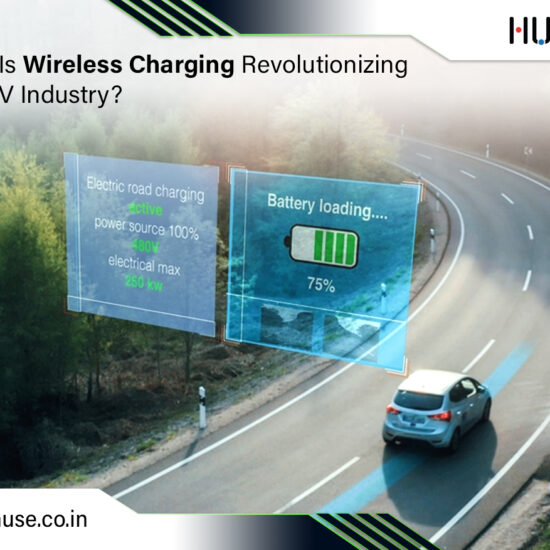
Dynamic wireless electric vehicle charging technology allows vehicles to charge while in motion using embedded road infrastructure. Huse HQ is committed to developing advanced solutions that support both stationary and dynamic charging applications.
How efficient is wireless electric vehicle charging compared to plug-in charging?
Modern wireless electric vehicle charging systems by Huse HQ offer high energy efficiency levels comparable to traditional wired chargers. Continuous innovation ensures minimal energy loss during power transfer.
Is wireless electric vehicle charging compatible with all EVs?
Wireless electric vehicle charging requires compatible receiver hardware in the vehicle. Huse HQ works with OEMs and technology partners to ensure broad compatibility and future-ready integration.
Why choose Huse HQ for wireless electric vehicle charging solutions?
Huse HQ stands out for:
- Advanced wireless electric vehicle charging technology
- Scalable infrastructure solutions
- High safety and efficiency standards
- Seamless integration for residential, commercial, and public use
- Future-ready EV charging innovation