

Data logging technology is continuously evolving as industries seek more accuracy, automation, and real-time insights. Moreover, supply channels are progressively dependent on smart sensors to monitor conditions over extensive distances. As demands for transparency increase, organizations are adopting innovative approaches to enhance product safety and ensure operational uniformity. Ultimately, these improvements demonstrate the growing necessity of any modern data logger supplier.
The Relationship Between General Supply Chain and Data Logger
Modern supply chains fundamentally rely on correct, uninterrupted information flow for goods to move safely and efficiently, with verifiable quality. Furthermore, environmental monitoring has become essential for maintaining compliance across industries such as food, pharmaceuticals, and chemicals. As regulations tighten, the need for dependable tracking systems continues to grow.
Moreover, a reliable data logger supplier strengthens this ecosystem by offering devices that capture temperature, humidity, shock, and other variables throughout transit and storage.
Additionally, these tools provide documentation that supports both national and international regulatory audits, making compliance far easier to manage across borders and diverse logistics networks.
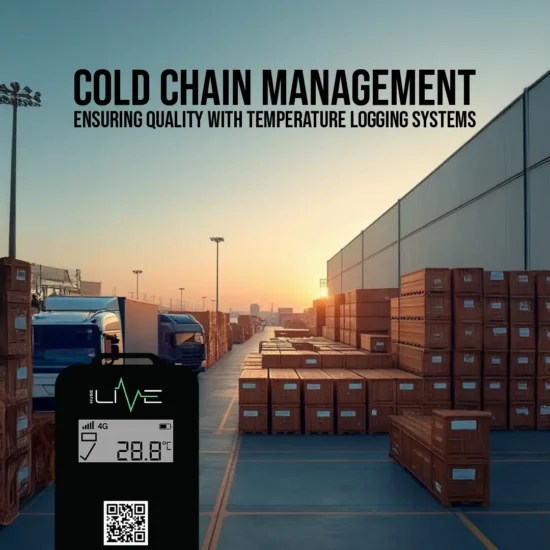
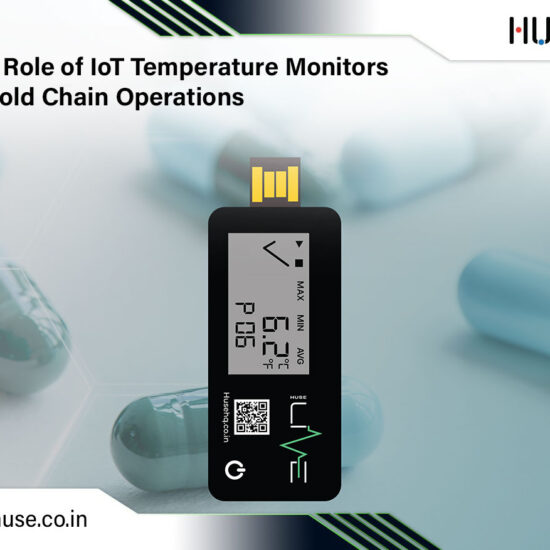
When transporting sensitive products, a cold chain data logger becomes indispensable for verifying that temperature-controlled goods remain within approved limits. Through ongoing recording and evidence-based reporting, organizations are able to detect flaws within their operations, minimize waste, and avert costly quality failures that could undermine consumer trust.
Overall, the integration of advanced monitoring devices into the infrastructure of supply chains allows a business to gain real-time insight and actionable visibility. Thus, this enhances traceability and strengthens operational resilience, effectively preserving product integrity from origin to final delivery and ensuring consistent quality at every stage.
Best Ways Data Loggers Changed Supply Chain and Cold Chain Management
Data loggers have transformed how supply chains operate today. Moreover, they have made environmental tracking significantly more reliable across all logistics stages.
· Strengthened Real-Time Supply Chain Visibility
A cold chain data logger provider tracks every transportation stage continuously, ensuring clearer operational oversight. Additionally, this visibility reduces uncertainty and strengthens coordination between logistics partners. Consequently, disruptions are detected quickly, allowing supply chain reliability to improve significantly across all movement points.
· Improved Regulatory Compliance and Product Safety
Industries handling sensitive goods require precise monitoring to meet strict regulatory expectations. A data logger tool from the best manufacturer maintains accurate documentation throughout audits. Thus, transparent reporting ensures shipments remain safe, compliant, and fully protected during cross-border movement.
· Reduced Spoilage in Temperature-Sensitive Logistics
Temperature-controlled commodities are nevertheless at risk when exposed to environmental variations. Besides, a data logger eases early deviation identification and appropriate action. Moreover, timely notifications help reduce product loss, enabling organizations to maintain better cold-chain performance.
· Faster Root-Cause Identification After Quality Failures
When quality failures arise, recorded data precisely shows when and where issues developed, offering essential clarity. A data logger supplier delivers dependable evidence that strengthens every investigation. This swift awareness also boosts protection in the quality of the products at times of unexpected logistical difficulties and, therefore, supports more reliable and controlled operations.
· Stronger Decision-Making with Remote Temperature Monitoring
Remote temperature monitoring enables teams to react promptly before any damage escalates. In this regard, a data logger provider corroborates this observation with consistent, correct readings at all levels. In fact, these insights enhance foresight, enabling operations to be more dependable and efficient.
· Better Planning Through Historical Data Patterns
Historical data highlights recurring problems and performance inconsistencies. A cold chain data logger supports this assessment through consistent, accurate readings across every stage. Furthermore, these insights strengthen forecasting, helping operations become more reliable and better organized.
· Increased Transparency for Customers and Auditors
Sharing monitoring reports builds confidence with consumers who handle sensitive items by demonstrating constant quality control. A data logger offers safe and precise data retrieval, ensuring product integrity. Moreover, this degree of openness dramatically decreases disagreements and builds long-term trust in all logistical interactions and collaborations.
· Reduced Operational Costs Through Preventive Monitoring
Preventive monitoring reduces equipment strain and unnecessary energy use across facilities. A data logger offers precise measurements that support efficient planning and resource management. Additionally, early issue detection prevents costly failures, allowing organizations to lower overall operating expenses.
· Standardized Monitoring Across Logistic Networks
Large businesses must implement consistent monitoring systems across numerous locations to ensure accuracy. Advanced data loggers ensure consistent data collection, enhancing supervision and reducing variability. Besides, standardization reduces training complexity, makes monitoring simpler to handle, and improves overall operational uniformity across the logistics network.
· Enhanced Integration with IoT-Driven Infrastructure
Modern supply chains increasingly depend on connected digital systems for accuracy and automation. A data logger stays compatible with evolving IoT communication platforms. Additionally, this integration enhances automated reporting, resulting in smoother and more technologically advanced operations.
The Future Outlook of the Data Loggers
The future of data loggers is shifting toward smarter, more automated solutions as industries demand faster insights and stronger operational control. But global supply chains grow more complex, demanding monitoring tools that deliver real-time visibility instead of delayed reporting.
Furthermore, manufacturers will develop smart devices capable of analyzing data directly at the source, rather than relying solely on external systems. Additionally, amid these advancements, DAQ data acquisition serves as a core framework, integrating sensor inputs with advanced analytics to create unified monitoring environments.
Cloud-enabled platforms support instant access to environmental data, enabling teams to respond proactively to potential risks. Furthermore, energy-efficient designs, wireless connectivity, and automated calibration will enhance long-term reliability.
In addition, sustainability considerations will influence material choices and power management. Ultimately, data logger provider will transition toward fully interconnected ecosystems that support predictive alerts, automated decision-making, and seamless collaboration across every stage of the supply chain.
Conclusion
A data logger supplier continues to shape how modern supply chains operate by enabling transparency, efficiency, and dependable tracking. Moreover, evolving technologies promise stronger automation and more secure monitoring.
Leaders like Huse Hq provide businesses with advanced data logging solutions that enhance visibility and performance. Strengthen your supply-chain monitoring and adopt smarter technology by connecting with us today.