
How Does A wireless charging for electric vehicles Function?
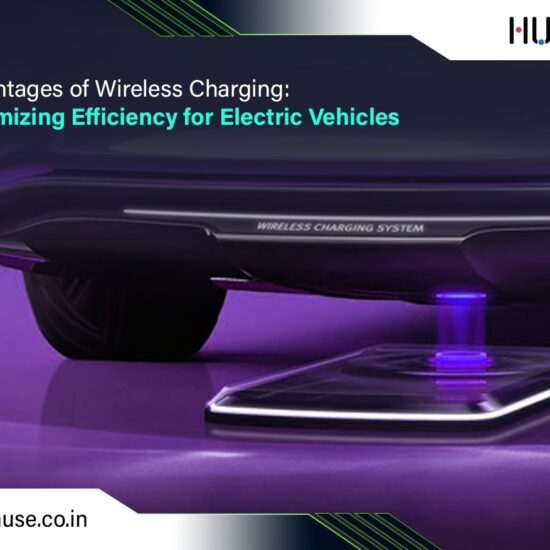
The wireless EV charging system comprises two major components:- Transmitter
- Receiver Coil
Advantages Of wireless charging for electric vehicles
The introduction of wireless vehicle charging gives various benefits to the industry:- Exceptional Convenience
- Lower Downtime
- Sustainability Boost
- Better Safety
Challenges to Address for Large-Scale Adoption
Though promising, wireless charging in the EV industry faces several infrastructure and technological hurdles that must be overcome before becoming ubiquitous.- High Costs: Currently, charging pads and car receivers are more expensive. Cost savings can be achieved by mass manufacturing.
- Infrastructure Gaps: There has to be strong regulatory backing and substantial initial investment to develop public charging networks that are both efficient and equipped with enough pads.
A Brighter Future For The wireless charging for electric vehicles & EV Industry
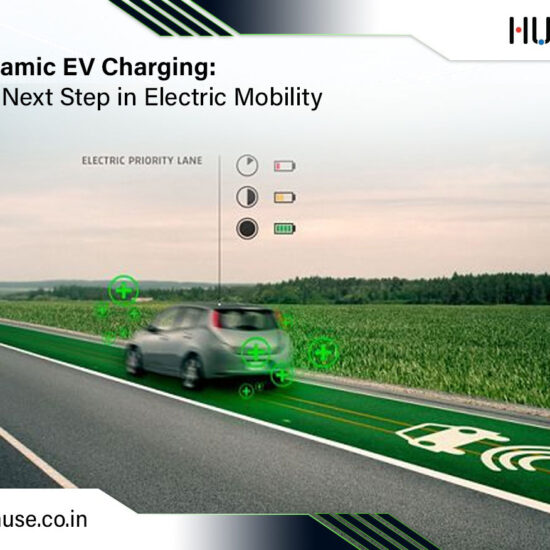
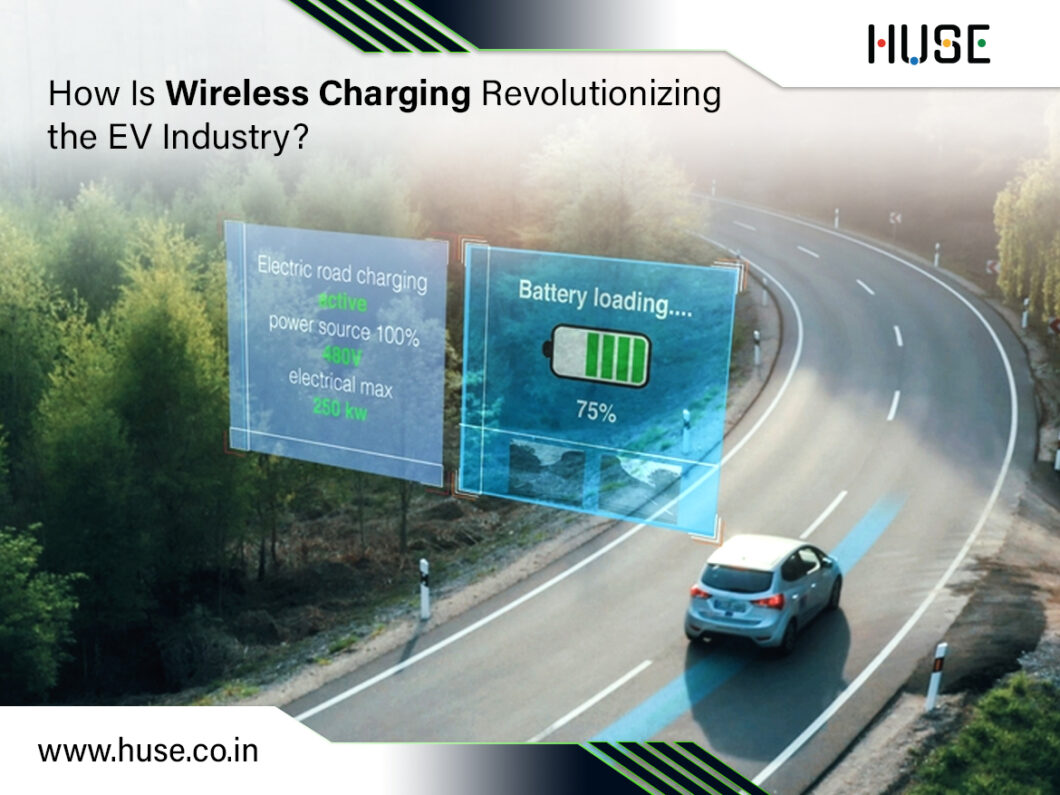
The advent of wireless charging represents more than simply technical progress; it heralds a greener, more sustainable future. With the possibility of wireless charging roads that allow for uninterrupted driving or wireless EV charging stations in metropolitan centers, this technology could revolutionize the EV industry. The EV industry has a bright future ahead of it, one that is wireless, vibrant, and full of opportunities.End Note
As wireless charging continues to evolve, it holds the promise of redefining the EV industry by offering convenience, efficiency, and sustainability. At HUSE, we are committed to driving innovation in the EV industry through cutting-edge solutions like wireless charging for electric vehicles. Our focus is on simplifying the EV ownership experience while promoting sustainable and efficient technologies. To learn more about how this technology can impact the EV ecosystem, visit our website.FAQs On Wireless Charging for Electric Vehicles
What is wireless charging for electric vehicles?
Wireless charging for electric vehicles is an advanced charging technology that transfers power from a charging pad installed on or beneath the ground to a receiver fitted in the EV—without the need for cables. Huse HQ offers cutting-edge wireless charging systems that enable seamless, safe, and efficient energy transfer.
How does Huse HQ’s wireless EV charging system work?
Huse HQ uses inductive charging technology, where electromagnetic fields transfer energy between a ground-based transmitter coil and a vehicle-mounted receiver coil. When the EV is aligned with the charging pad, energy flows automatically—making the process completely contactless and user-friendly.
Is wireless charging for electric vehicles safe?
Yes. Huse HQ’s wireless charging for electric vehicles is designed with advanced safety protocols. The system activates only when a compatible EV is detected and automatically shuts off if foreign objects or living beings are detected near the charging zone.
Is wireless EV charging as efficient as wired charging?
Modern wireless charging systems from Huse HQ are engineered for high efficiency, often achieving efficiency levels comparable to traditional plug-in chargers. Continuous innovation in coil design and power electronics ensures minimal energy loss.
Can wireless charging be installed at homes?
Yes. Huse HQ provides scalable wireless charging for electric vehicles suitable for residential garages, commercial parking areas, fleet hubs, and public infrastructure. Installation is discreet and integrates seamlessly into existing spaces.
Can wireless charging support fleet and commercial vehicles?
Yes. Huse HQ designs wireless charging solutions for electric buses, logistics fleets, taxis, and commercial EVs. Dynamic and static charging options can be customized depending on operational requirements.
Does wireless charging work in all weather conditions?
Absolutely. Huse HQ’s wireless EV charging systems are weather-resistant and function efficiently in rain, heat, dust, and other challenging environmental conditions, making them ideal for Indian and global climates.
What are the benefits of wireless charging for electric vehicles?
Wireless charging offers:
- Cable-free convenience
- Reduced wear and tear
- Enhanced safety
- Automated charging
- Future-ready smart infrastructure
Huse HQ focuses on delivering hassle-free, next-generation EV charging experiences.
Is wireless charging compatible with all electric vehicles?
Wireless charging systems require compatible receiver units. Huse HQ works with EV manufacturers and infrastructure developers to ensure seamless integration with a wide range of electric vehicles.
Why choose Huse HQ for wireless charging for electric vehicles?
Huse HQ stands out for its innovation-driven approach, advanced coil technology, reliable performance, and commitment to sustainable mobility. The brand delivers efficient, scalable, and future-ready wireless charging infrastructure tailored for evolving EV ecosystems.