
Cold Chain Data Logger & Temp Logger : Definition and Working
From heating food before canning to sterilizing surgical instruments in an autoclave, a temp logger for temperature data is considered essential information across many key industrial processes for quality control purposes. The main apparatus that makes this data available is the cold chain data logger, which measures, documents, and analyzes changes in temperature conditions to inform accurate decision-making about product quality.
Let’s learn more about this important cold chain data logger & temp logger.
What is a Cold Chain Data Logger?
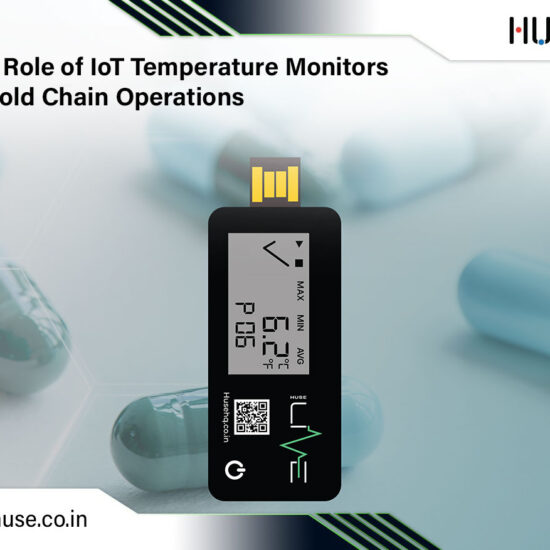
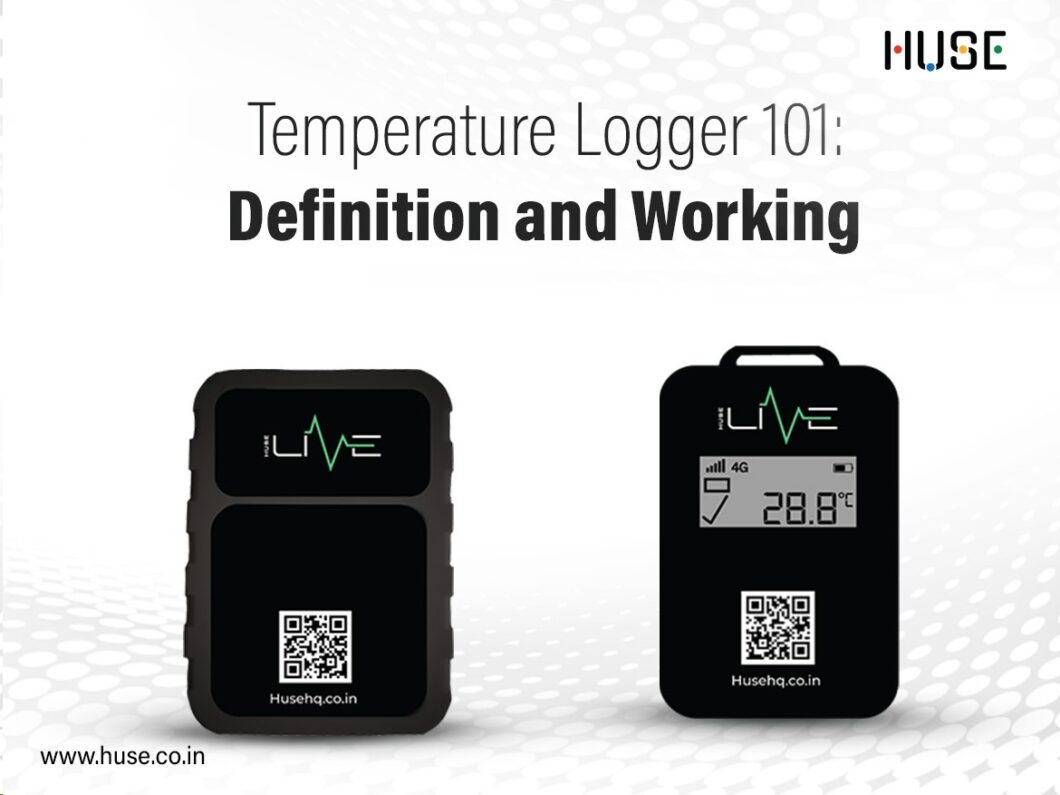
A temp data logger is a device used to monitor, record and store temp for deep insights on temp pattern of the shipment and its surroundings.
Temperature loggers come in many different shapes, sizes, and forms, with a large variety of functions and specifications.
Applications of a Temp Logger
Among their many applications, these devices are most commonly used in the pharmaceutical industry to monitor the temperature of vaccines and drugs while in transit. Drugs are temperature-sensitive, and if the numbers fall outside the range, they can get damaged or rendered ineffective.
So, a cold chain data logger allows pharmaceutical companies to continuously monitor the temperature of their drugs and medicines throughout the value chain to make sure that they are stored in the optimal environment and retain their potency and efficacy.
Other applications of data loggers can be found in the food industry, especiallyif the supply chain consists of perishables .By deploying these loggers, food companies can track the temperature of their products throughout the value chain, from farm to fork, thereby preventing spoilage and foodborne illness.
How does a Temp Logger Work?
A temp logger has one or multiple embedded sensors that accept one or more than one input, sampling the data at a predetermined frequency and saving it.
Once the data is acquired, the logger is accessed, and the data is downloaded onto a system for analysis. Some higher-end loggers also have a built-in communication module that transmits the measurements directly to a PC or system, need for physical access to the device
Data loggers look like small boxes that enclose a battery for power,internal memory storage/GSM LTE Module, sensors, microprocessors, and a programmable module.
While programming the modules, a certain alert level is pre-set. In case the data logged crosses the pre-defined levels, an emergency alert, SMS, and email are sent to the managers, who can then take preventive measures.
For the sensing part, these loggers usually use thermocouples, RTDs (Resistance Temperature Detectors), or thermistors, which generate a voltage proportional to the environment’s heat.
Data Logger Connectivity Types
| Connectivity Type | Real-Time Visibility | Best Use Case | Limitation |
|---|---|---|---|
|
USB |
No (download after trip) |
Low-cost, one-way shipments |
No mid-transit alerts |
|
Bluetooth |
Near real-time (in range) |
Warehouse, last-mile checks
|
Limited range
|
|
Limited range |
Real-time (when connected) |
Fixed storage, cold rooms |
Needs stable network |
|
Cellular/GSM-LTE |
Real-time |
Long-haul transport, sea/road freight |
Higher cost, needs signal |
|
RFID |
Point-in-time |
Checkpoint scanning in distribution centers |
Not continuous monitoring |
Applications of Cold Chain Data Loggers by Industry
| Industry | Primary Use Case |
|---|---|
|
Pharmaceuticals & Vaccines |
Monitoring temperature-sensitive drugs and vaccines during storage and transit to preserve efficacy |
|
Food & Beverage |
Tracking perishables like dairy, seafood, and frozen goods from farm/factory to retail |
|
Biotech & Clinical Research |
Validating equipment and monitoring samples in labs and clinical trial logistics |
|
Logistics & 3PL Providers |
Providing proof-of-compliance reports to clients across multi-leg shipments |
|
Healthcare & Hospitals |
Monitoring refrigerators/freezers storing medicines and biological samples |
.
How is Data Retrieved from a Cold Chain Data Logger?
A Cold chain data logger is designed as a USB drive that can be plugged into a PC to retrieve data. Some even come with built-in Bluetooth modules that can connect to PCs and mobiles. An not ethernet connection. GSM or Lte Module.is also available that can relay the data directly to a central control system.
The Effects of Not Using a Cold Chain Temperature Data Logger
Any time a business decides to forgo or guess temperature control, they are placing themselves at:
Loss of Product Value – Biologics, vaccines, and other perishable food become either ineffective or unsafe, depending on how far away they are from their temperature control operating range.
Non-Compliance with Regulations – There are delays in customs shipping, and fines are incurred from missing needed paperwork.
A Financial Disaster – The costs associated with recalls, product removal, new shipments add a great deal of financial strain, as time and trust with customers is lost due to a breach in the cold chain.
A Loss of Customer Trust and Loyalty – Single cold chain breaches cause a loss of customer trust and may be the end of customer loyalty.
Increased Safety Risks – The high-value shipments, with no temperature control monitoring, may be at higher risk for theft or tampering due to a complete lack of controls.
Cold Chain Data Logger Regulations
It is sometimes necessary to use cold chain data loggers as part of one’s operation. However, in some instances it is a regulatory requirement. It is likely that the logging methodologies you employ should comply with one or more of the following regulations:
- GDP (Good Distribution Practice) guidelines for pharmaceutical storage and transport
- WHO cold chain guidelines for vaccine handling
- HACCP principles for food safety
- 21 CFR Part 11 for electronic records and signatures that are audit-ready.
A cold chain logger that generates time-stamped, exportable reports, facilitates user compliance with regulatory mandates for audits, and substantiates an unbroken cold chain from the source to the intended destination.
Key Criteria for Selecting a Cold Chain Data Logger
- These are the criteria you should use to assess a cold chain data logger:
- Recording interval – The recording interval refers to the time interval at which the logger takes readings. Generally for most goods, 5 or 10 minutes is the recording interval. For more sensitive goods such as vaccines, a recording interval of 1 minute or even less may be required.
- Monitoring range – The monitoring range of the logger should cover what you need. This generally can be ambient, chilled, frozen, or even cryogenically frozen.
- Memory – Even if there is network connectivity, at some point the logger will be out of range, and this is where the memory comes into play. For long haul shipments or remote route shipments this is especially important.
- Battery life – The logger should have a battery life which exceeds the expected time the shipment will take. This can include unexpected delays which can occur in multi modular shipments.
- Connectivity and fall back options – For cellular loggers, the fall back should be either WiFi or a USB connection. This is used to ensure no data is lost when the logger goes into a network dead zone.
- Alarm and alert configuration – This is the ability to set an alert which is sent to the user by SMS or email when a temperature excursion has been detected.
- Data retrieval – A cold chain data logger should be simple to use for users to download or export a report (preferably in PDF or CSV) when an audit or a regulatory review or submission is required.
- Tamper resistant – For a shipment which has high value or are of a sensitive nature, the logger should have a feature that prevents tampering during the shipment.
Also Read: A Comprehensive Guide to Cold Chain Remote Temperature Monitoring
| Condition | Temperature Range |
|---|---|
|
Freezer |
-80°C to +150°C (varies by sensor type) |
|
Refrigerator |
2°C to 8°C |
|
Cool |
8°C to 15°C |
|
Controlled Room Temperature |
20°C to 25°C (brief excursions to 15–30°C permitted) |
|
Warm |
30°C to 40°C |
|
Excessive Heat |
Above 40°C |
In Conclusion
Undoubtedly, a temp logger plays a critical role in the pharmaceutical and cold chain industry, ensuring that temp sensitive goods goods are transported and stored at an adequate temperature to maintain safety and quality.
Needless to say, the use of temperature data loggers is expected to grow in the coming years, thanks to the increasing demand for safe, high-quality, and efficient supply chains.
Companies that invest in and utilize a cold chain data logger can definitely improve their supply chain efficiency and safety and make informed decisions for consistent profits and growth. For the best-quality and most reliable data loggers, turn to HuseLive! Contact us to learn more about how we can improve your safety and efficiency posture.
FAQ's on Cold Chain Data Logger & Temp Logger
What is the purpose of a temp data logger?
The purpose of a temperature data logger is to record and monitor the temperature over time. A temp logger is commonly used in the cold chain industry to ensure that perishable goods like food, pharmaceuticals, and vaccines are kept within the required temperature range during storage and transportation.
By continuously tracking temperature data, these devices help maintain product quality and safety, prevent spoilage, and comply with regulatory standards. A temp logger provides a reliable way to detect any temperature deviations that might affect the integrity of sensitive products.
Where should temp logger be placed?
Temperature loggers should be strategically placed in areas where temperature fluctuations are most likely to occur. For cold chain logistics, position a temp logger near the center of the storage or transport area to get an accurate reading of the overall environment. In refrigerated trucks or containers, place them away from walls and doors to avoid readings influenced by external conditions. Proper placement of a temp logger ensures that the temperature data reflects the true conditions experienced by the products, maintaining their quality and safety.
How do you monitor a cold chain data logger?
To monitor a cold chain, you use devices like cold chain data loggers and sensors that continuously track and record the temperature of perishable goods during transport and storage. These devices help ensure that items like food and medicine stay within a safe temperature range.
The data collected can be viewed in real-time or downloaded later for analysis. Alerts can also be set up to notify you if the temperature goes outside the desired range, ensuring the integrity of the products.
What is temp loggers for cold chain?
Temperature loggers for cold chain are devices used to monitor and record temperature over time during the transportation and storage of temperature-sensitive products. They ensure that items such as pharmaceuticals, food, and vaccines are kept within specific temperature ranges to maintain their quality and safety.
These cold chain data logger provide data that helps identify any temperature fluctuations, allowing corrective actions to be taken. This process is crucial for preventing spoilage and ensuring that the products remain effective until they reach the end user.
What is cold chain data logger ?
A data logger temperature , or temp logger, is a device that automatically records temperature data over time, using built-in sensors. It stores this information in its internal memory, allowing users to monitor environmental conditions, especially in sensitive industries like healthcare, food storage, and logistics.
The data can be accessed later or transmitted in real-time, ensuring that temperature-sensitive products, such as those in a cold chain data logger system, remain within safe limits, preventing spoilage or damage. Data loggers are crucial for maintaining quality, compliance, and safety standards across various industries.
What is the distinction between a single-use and reusable cold chain data logger?
What is the ideal temperature range for a cold chain data logger?
Again, this depends on the product to be monitored, but can include ambient, chilled, frozen and cryogenic or deep frozen ranges. In any case, consider the lowest and highest temperatures that may be encountered in transit and choose a device with a range that includes these extremes with some tolerance or ‘buffer’ amount.
What is the approximate battery run time of a cold chain data logger during transit?
Battery life will depend primarily on the logger itself and how often it is set to record and transmit data. Single use data loggers are typically engineered to operate throughout the duration of a single shipment. In contrast, multi-use data loggers with cellular connectivity require more frequent charging due to the continuous nature of data transmission. Assuming worst case scenario for multi-modal transports, a logger’s battery life should be sufficient to last the duration of the shipment plus any added delays.
How does a shipment with a data logger that loses connectivity impact the logger’s functionality?
A quality data logger should be able to capture temperature logging data on its own storage while it is out of connectivity. Once it is online again, it will have to sync the data. Hence why the internal storage of a data logger and its ability to log data offline should be critically evaluated before purchasing a data logger for long distance shipments that will lose connectivity.
Are cold chain data loggers compliant with GDP/WHO cold chain guidelines?
Many cold chain data loggers provide specific features that aid these loggers to comply with GDP and WHO cold chain guidelines. They create time-stamped temperature logs that can be easily exported and used for regulatory and compliance reporting. However, it is imperative that you verify with the manufacturer the specific compliance for your regulatory needs.
What is the difference between a temperature data logger and a temperature sensor?
A temperature data logger is capable of logging data to a measuring device over a period of time, making it capable of capturing historical data. A temperature sensor is capable of capturing temperature data at a given time. This means that in order to comply with cold chain logistical requirements, you would need a temperature data logger that is capable of logging temperature data over a period of time.
Can cold chain data loggers be used for multiple shipments?
There are loggers in the market that are designed to facilitate multiple uses. These loggers can be used for multiple shipments after they are reset. This makes them cost effective for businesses that have frequent shipments such as hospitals and manufacturers that do quality checks on a regular basis.
How do you download or export data from a cold chain data logger?
Most data loggers can connect to a computer through USB, sync data to a mobile app using Bluetooth, or send data to a cloud-based dashboard via WiFi or cellular networks. Once the data is stored on the cloud, a PDF or CSV report can be generated and used to meet auditing and record-keeping requirements for your reports or for sharing data with clients and regulatory agencies.
What is the ideal logging interval for pharmaceutical versus food shipments?
For shipments containing pharmaceutical products, including vaccines, logging intervals as short as 1-5 minutes are common. It is a best practice for shipments containing food to have logging intervals around 10 minutes, as the effectiveness of food can begin to degrade at longer logging intervals.